Begin with situations, not note pyramids
Fragrance language can become a wall of bergamot, ambroxan, orris, and woods before you know whether you enjoy the smell. Start with the places the fragrance needs to go: an easy daytime scent, something intimate and quiet, and an evening option with more presence.
Those three roles can be filled by any families you like. Citrus is not automatically daytime, and vanilla is not automatically evening. The point is contrast. Each bottle should create a reason to choose it over the others.
Sample on skin and leave the store
Paper strips are useful for narrowing options, but skin wear reveals development, projection, and whether a note becomes tiring after an hour. Test one or two scents at a time and resist buying during the opening minutes. A fragrance that is dazzling at first can become difficult by dinner.
Discovery sets and travel sprays cost more per milliliter but reduce the cost of a mistaken full bottle. Finishing a small size is valuable information, not a failure to commit.
Store scent like a formula
Keep bottles away from direct sun and large temperature swings. A bathroom shelf looks attractive but experiences heat and humidity. A drawer, cabinet, or shaded bedroom surface is usually more stable.
Do not save every bottle for an imaginary occasion. Fragrance changes over time, and enjoyment is part of the value. Wear the evening scent to dinner at home if that is the evening you have.
The three-bottle framework
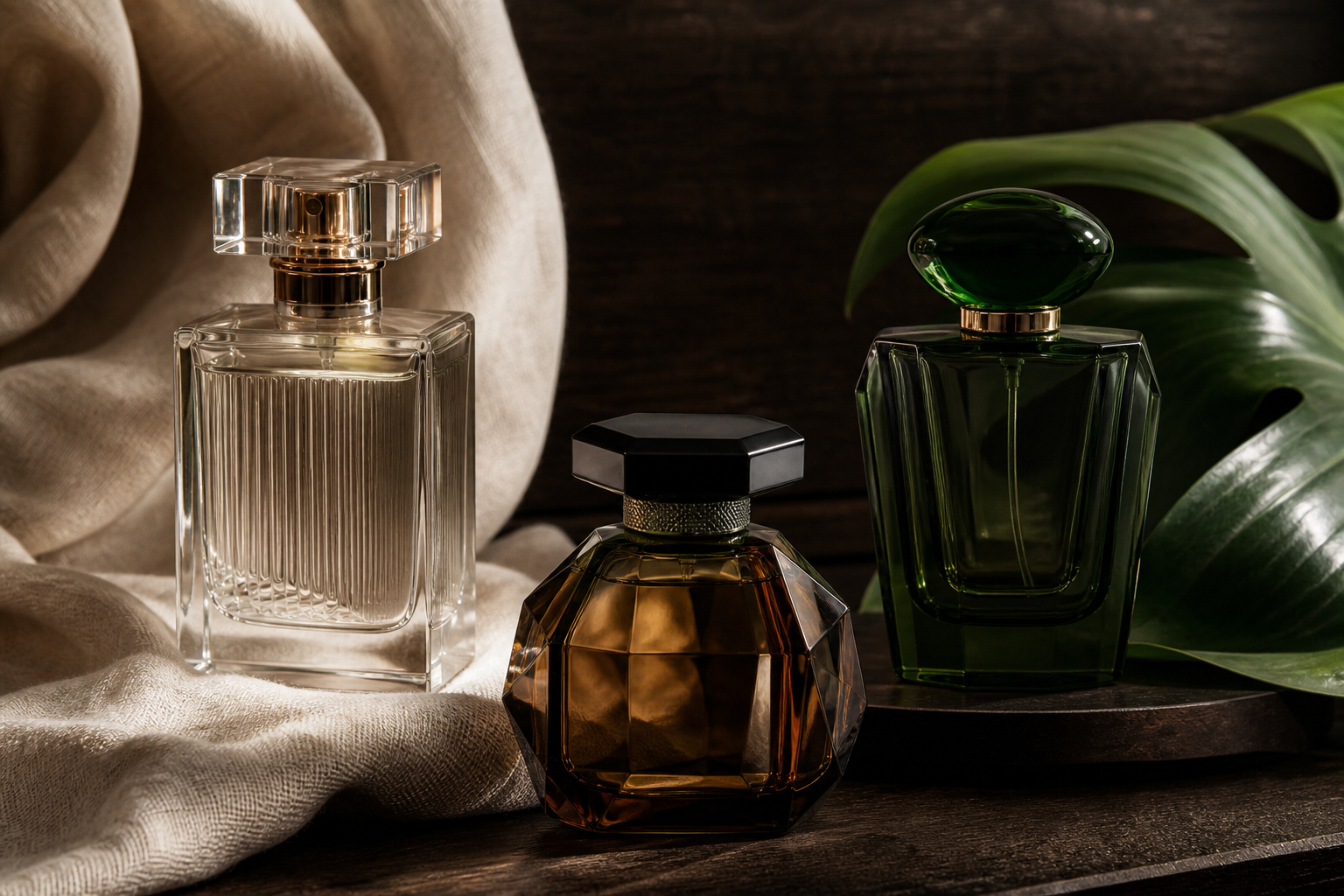
Choose one scent that feels clean or energizing, one that sits close and feels familiar, and one with enough character to change the atmosphere. When a new fragrance duplicates an existing role, buy a sample first. A wardrobe stays small when every bottle has a distinct assignment.