Start where color naturally arrives
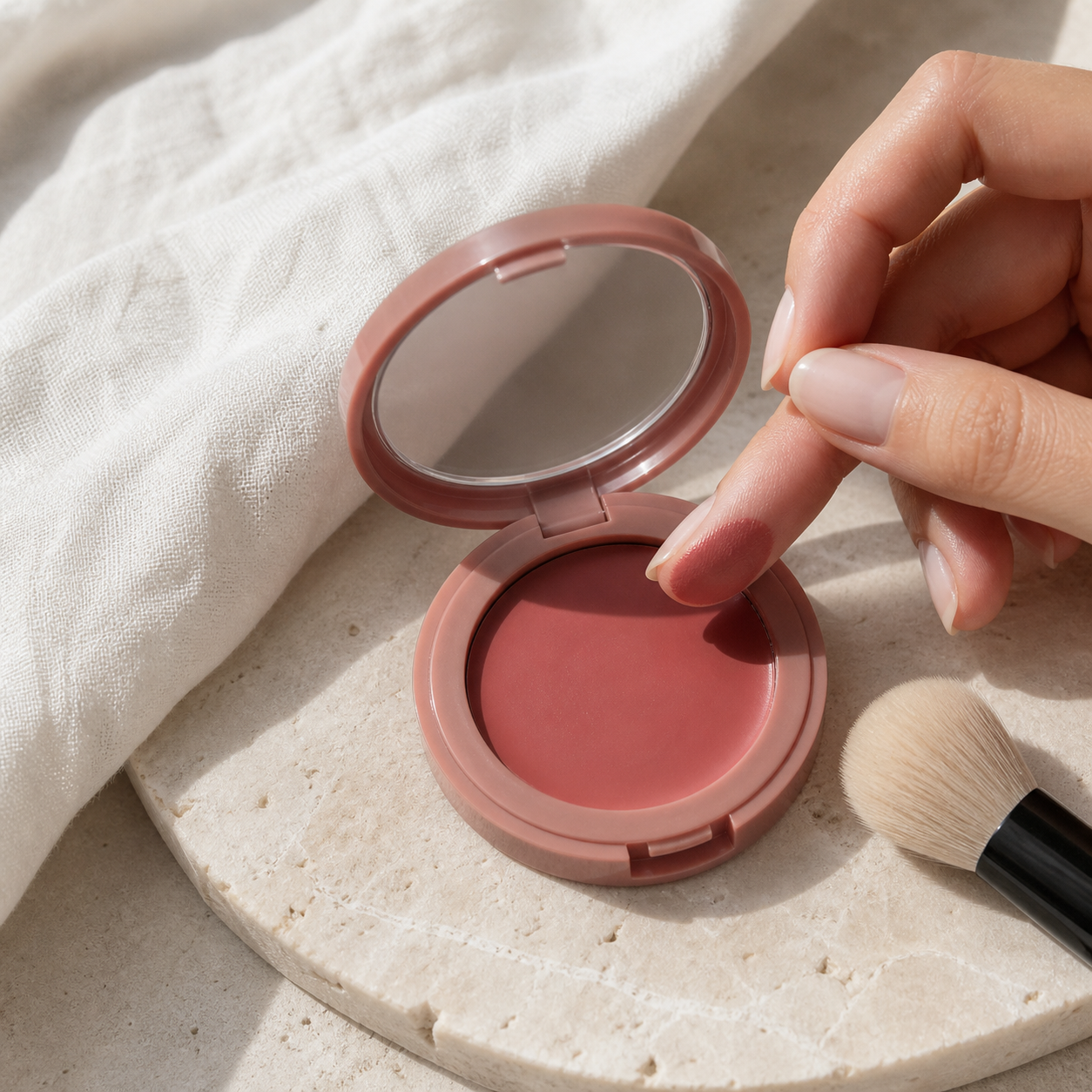
Blush becomes intimidating when the first tap lands in the center of the cheek and expands before there is time to negotiate. Pick up less product, place it slightly higher and farther back than the fullest part of the cheek, then blend the edges toward the temple. The color reads as warmth rather than a circle.
If the formula is very pigmented, work from the back of your hand rather than directly from the compact. That small detour turns application into a series of choices instead of a rescue operation.
Match transparency to confidence
A sheer balm is forgiving and lively, though it may remain dewy. A cream-to-powder texture offers more control and often lasts better on oily skin. A dense stick can be elegant, but only if the pigment is spread thinly before it meets the face.
The right shade is not always the loudest one that looks exciting in the pan. Muted rose, soft terracotta, plum, and warm berry can behave like neutrals when their undertones echo the rest of the makeup.
Use foundation as an eraser
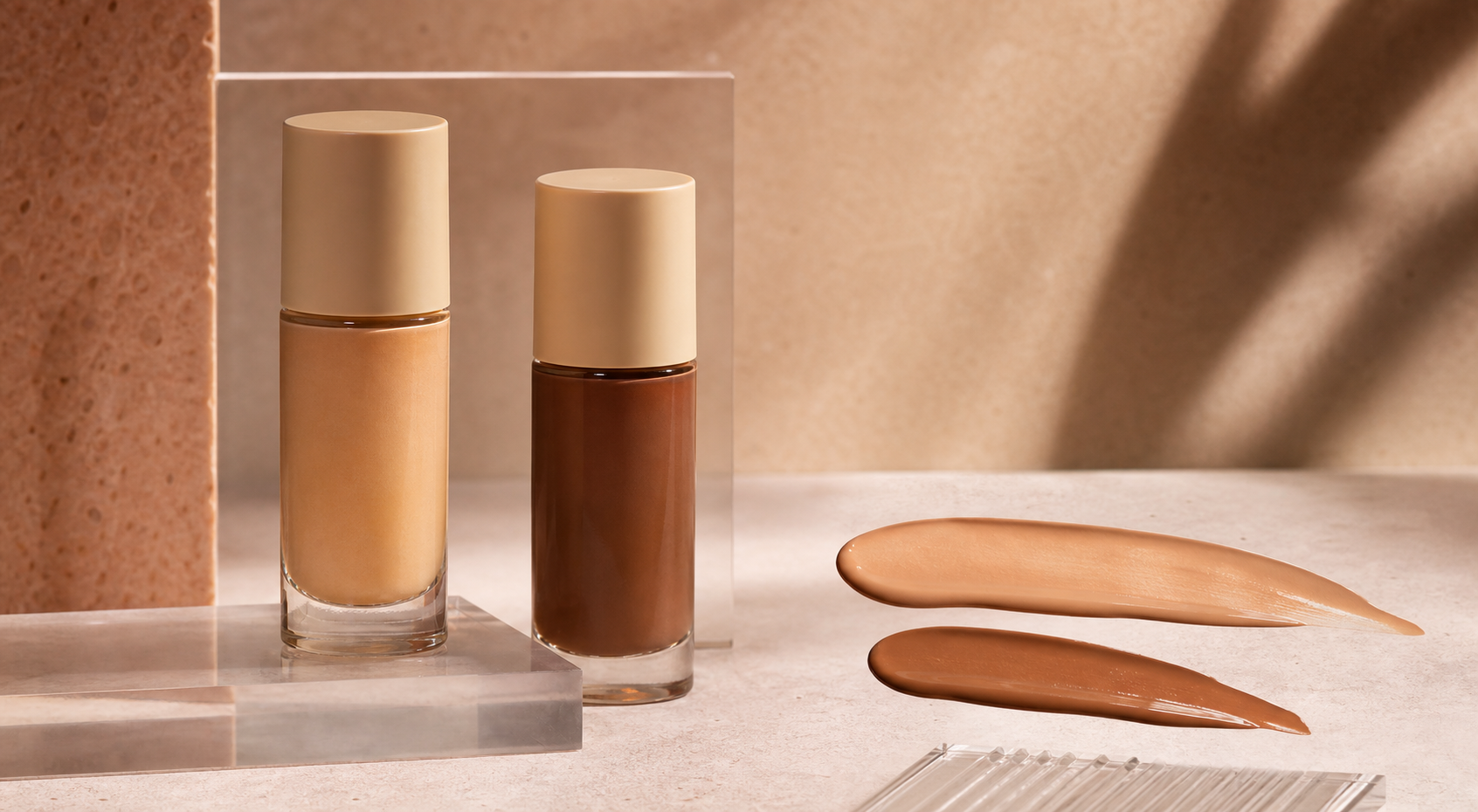
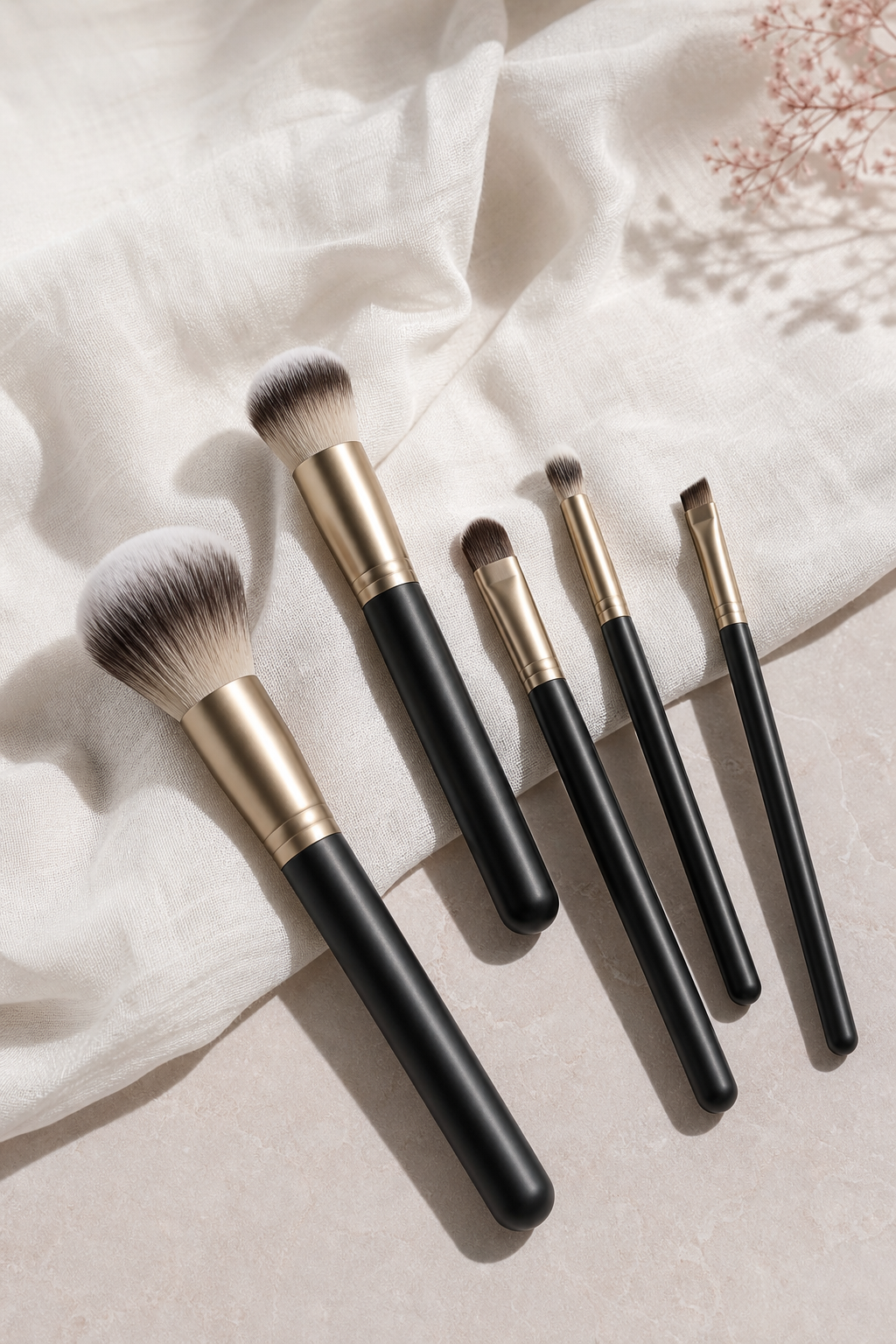
When blush travels too far, do not pile powder on top. Use the sponge or brush that still holds a trace of base product and tap around the perimeter. The edge softens without flattening the color in the center.
For longer wear, set only the areas that move or become shiny rather than covering the whole cheek in powder. A cream blush looks most convincing when some of its original texture remains visible.
A quieter shopping brief
Look for buildable pigment, a compact that closes securely, and a finish compatible with the base products you already own. You do not need six shades to understand cream blush. One color that can be worn as a stain or built for evening is the more useful edit.