Clean does not need to feel dramatic
A cleanser has one of the least theatrical jobs in a routine: loosen sunscreen, makeup, oil, and the ordinary residue of a day, then rinse away. Yet many formulas are judged by how much they foam or how polished the skin feels immediately afterward. That tight, high-friction finish can read as effectiveness even when it makes the next hour less comfortable.
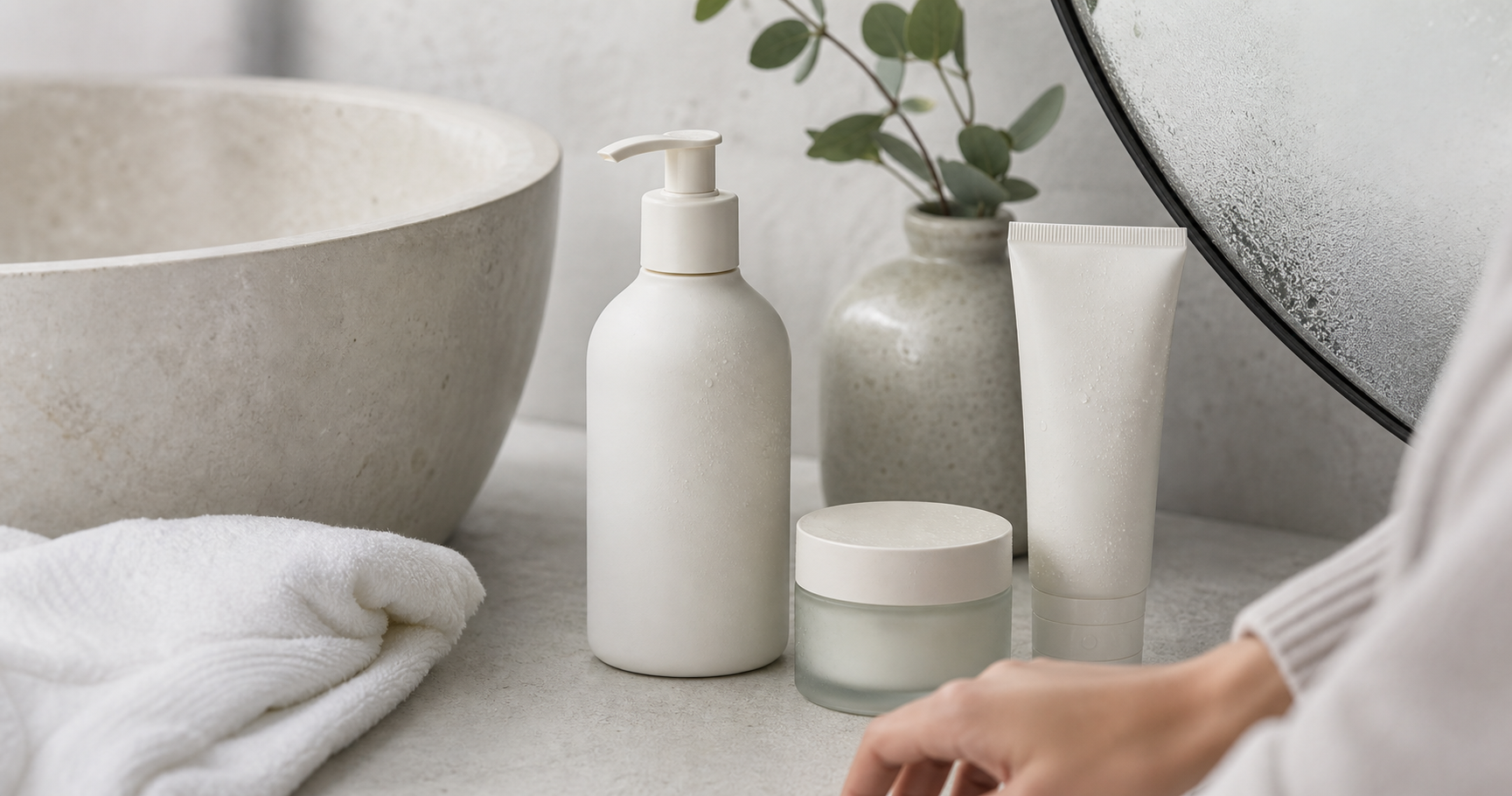
Cream cleansers trade spectacle for slip. They tend to move across the face without demanding a long massage and can leave dry or easily irritated skin feeling less exposed after rinsing. The goal is not a film. It is the absence of that urgent reach for moisturizer.
Know when one cleanse is enough
If you wore light sunscreen and little makeup, one thorough cleanse may be all you need. Heavier or water-resistant products can benefit from an oil-based first step followed by the cream cleanser. More steps are not automatically cleaner; they simply need a reason.
Use lukewarm water and fingertips rather than aggressive brushes. A soft washcloth can help at the hairline, but pressure should remain gentle. The face does not need to squeak to be ready for the rest of the routine.
The person who may still prefer gel
Very oily skin, a hot climate, or a preference for a fresher rinse can make a low-foaming gel cleanser more appealing. The category is not a moral choice. It is a texture decision shaped by the rest of the routine. If a cream cleanser leaves residue you dislike, do not force loyalty to the idea of gentleness.
The useful comparison happens after a week: Does the skin feel calmer? Does moisturizer sit better? Are you less tempted to scrub? Those observations are more valuable than the amount of foam in the sink.
A restrained shopping list
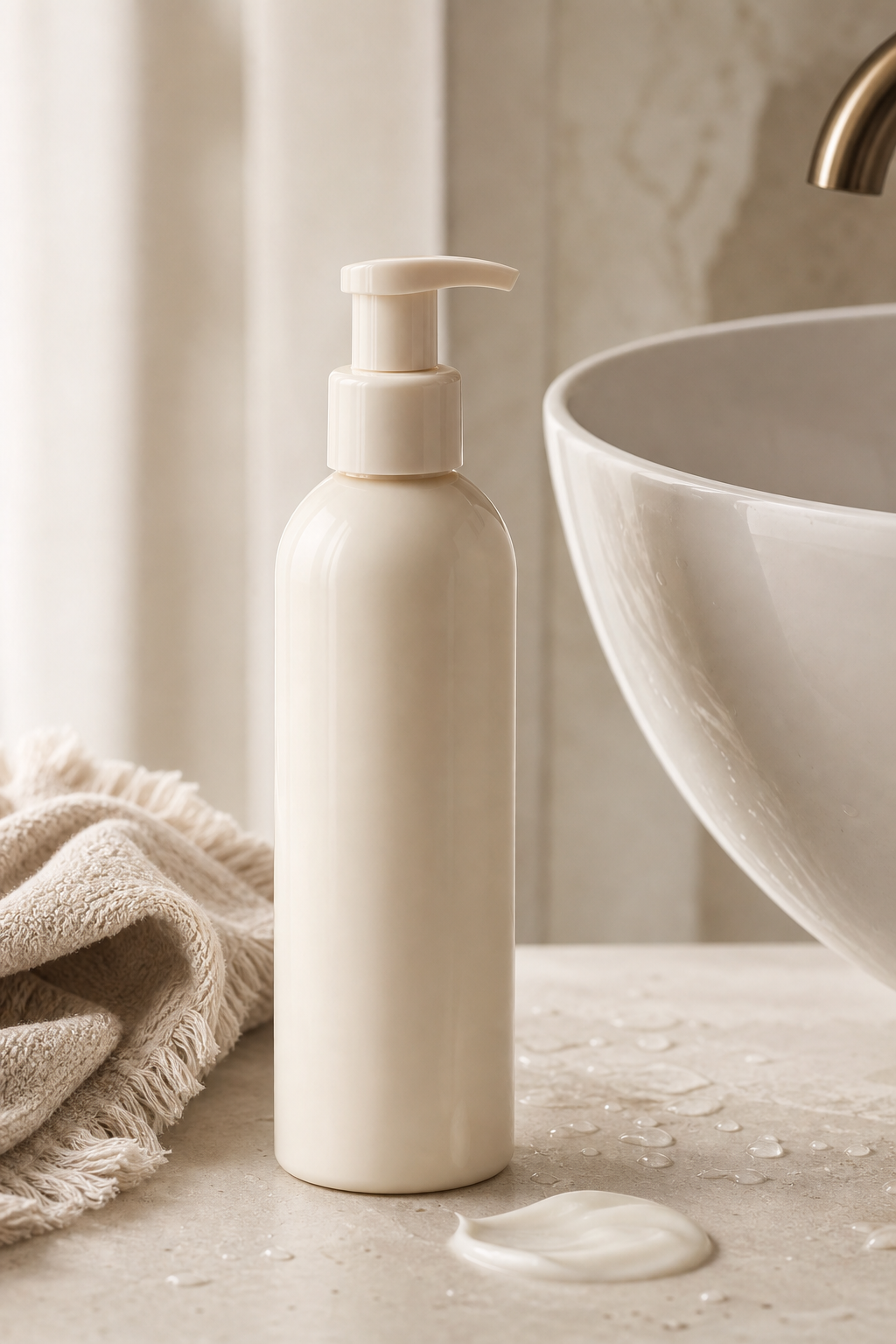
Favor a pump or squeeze tube, a formula without exfoliating claims if this is your everyday cleanser, and a size that fits the pace of use. A cream cleanser earns its place by making the rest of the routine feel less like repair work.