Begin while the hair is wetter than feels convenient
Many air-dry routines go wrong during the towel phase. Rough fabric and hurried rubbing disturb the pattern before product has a chance to support it. Blot with a smooth towel or soft cotton shirt, but keep enough water in the hair for leave-in product to spread evenly.
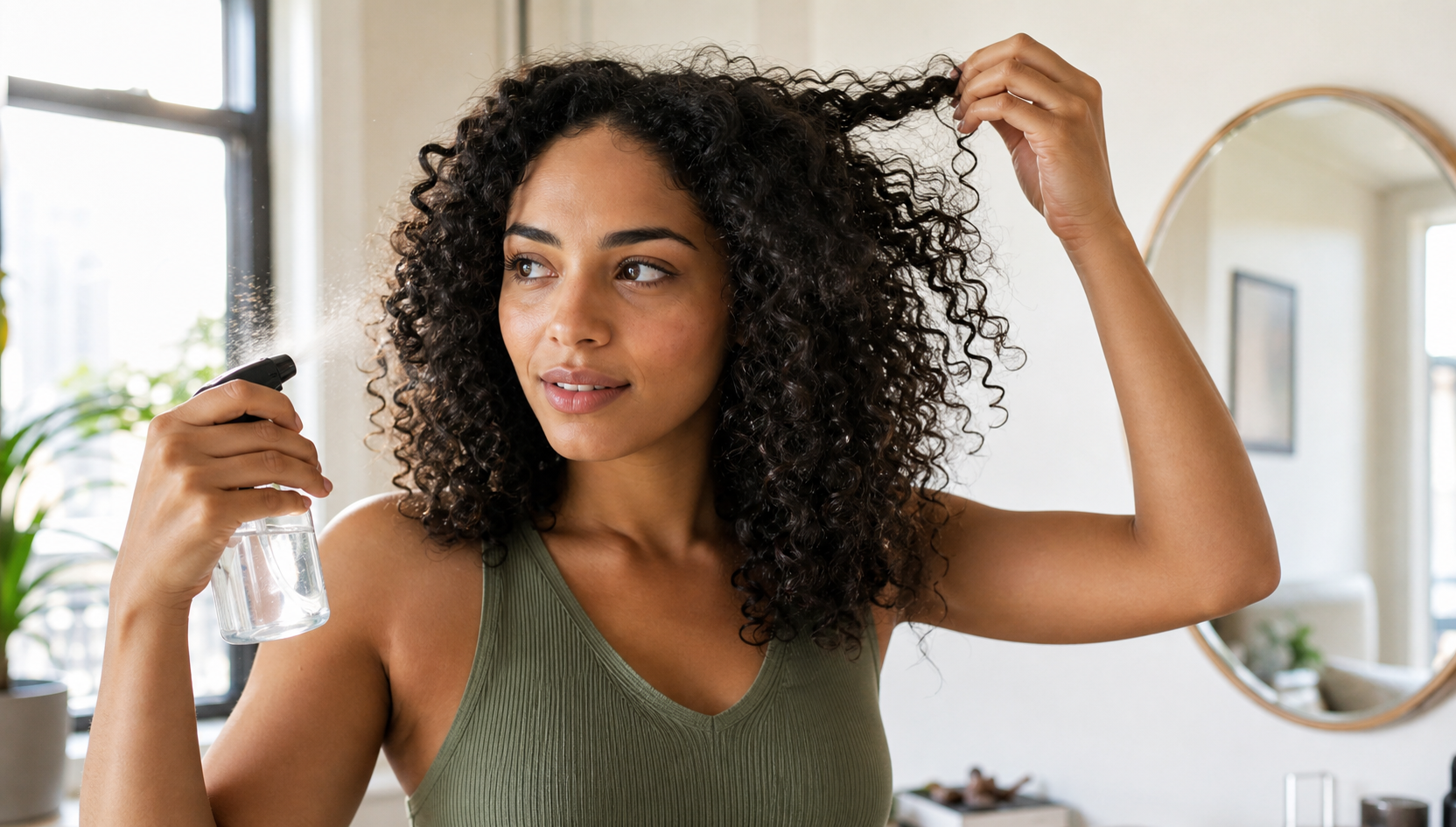
Apply lightweight moisture through the lengths, then add hold according to texture. Fine hair may need a mist and a small amount of foam. Waves and curls often respond better when cream or gel is distributed in sections rather than skimmed over the surface.
Place the shape before it sets
Decide on the part, encourage the front pieces, and lift the roots while the hair is still cooperative. Clips at the crown can create space without heat. For waves, scrunch upward with wet hands. For straighter textures, comb into the intended direction and tuck only the pieces you actually want tucked.
The goal is not to control every strand. It is to establish a few strong decisions so natural movement looks framed rather than accidental.
Know when to stop touching
Once a cast begins to form, repeated checking creates frizz and uneven sections. Let the hair dry fully before breaking any stiffness with clean, dry hands. If time is limited, use a diffuser on low airflow rather than rubbing at half-dry hair with a towel.
Air drying is not automatically healthier for every hair type or schedule. Hair that stays wet for many hours can feel uncomfortable and fragile. Use the method as one option, not a virtue test.
The edit
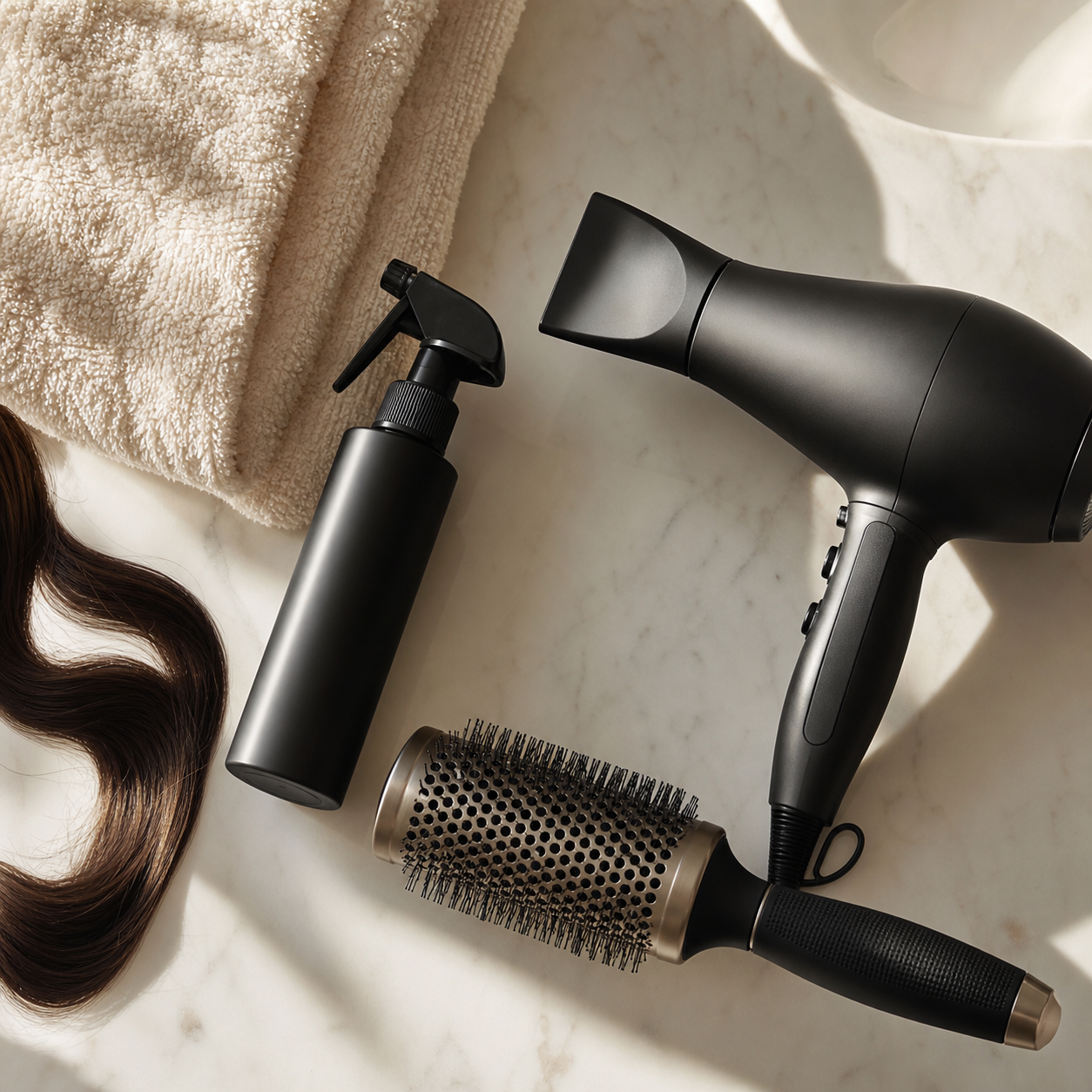
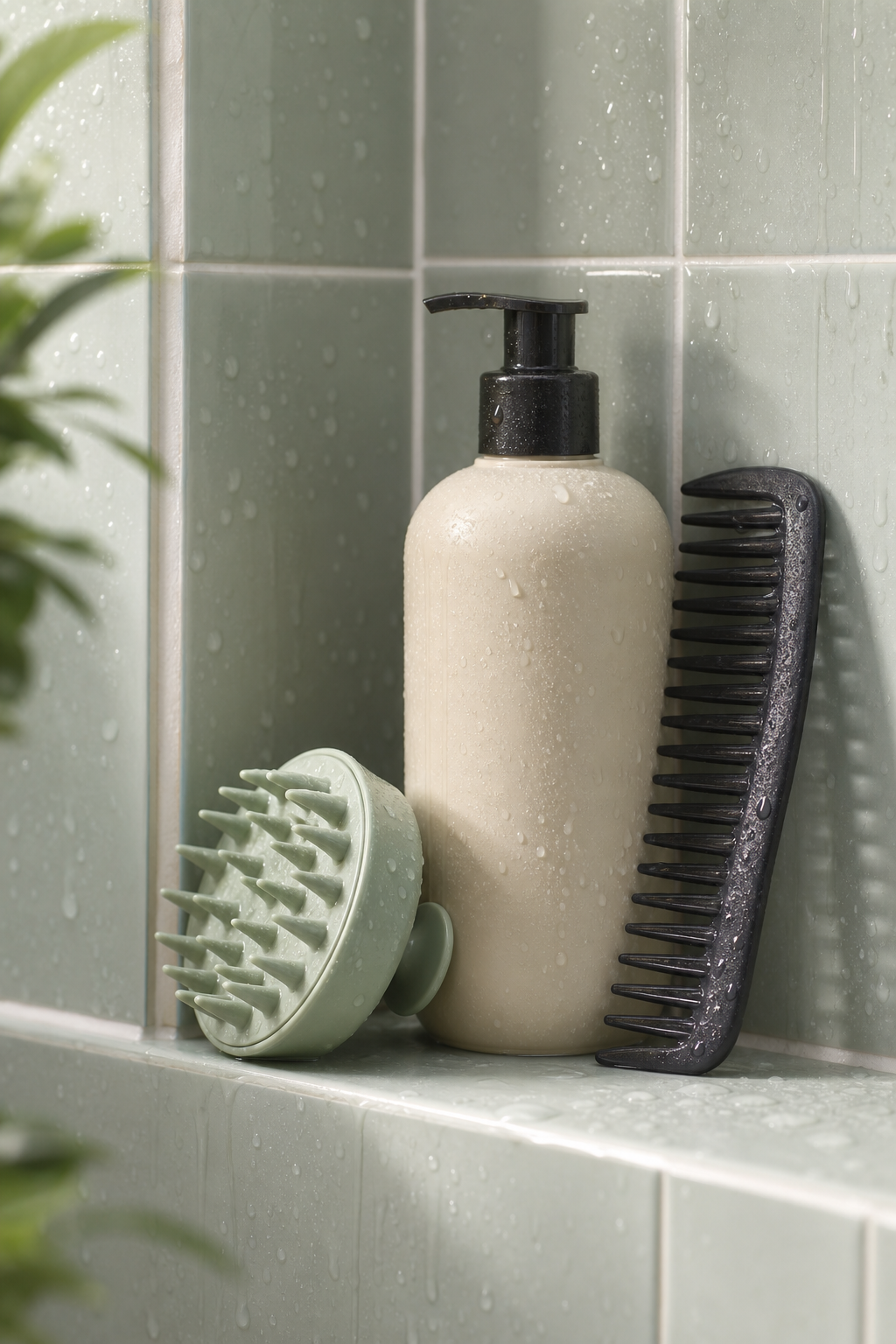
A smooth towel, one leave-in, one hold product, and a few root clips cover most needs. Add a wide-tooth comb or brush only if it improves distribution. The routine looks intentional when every tool has a job and your hands know when to leave the hair alone.