Think of protection as a system
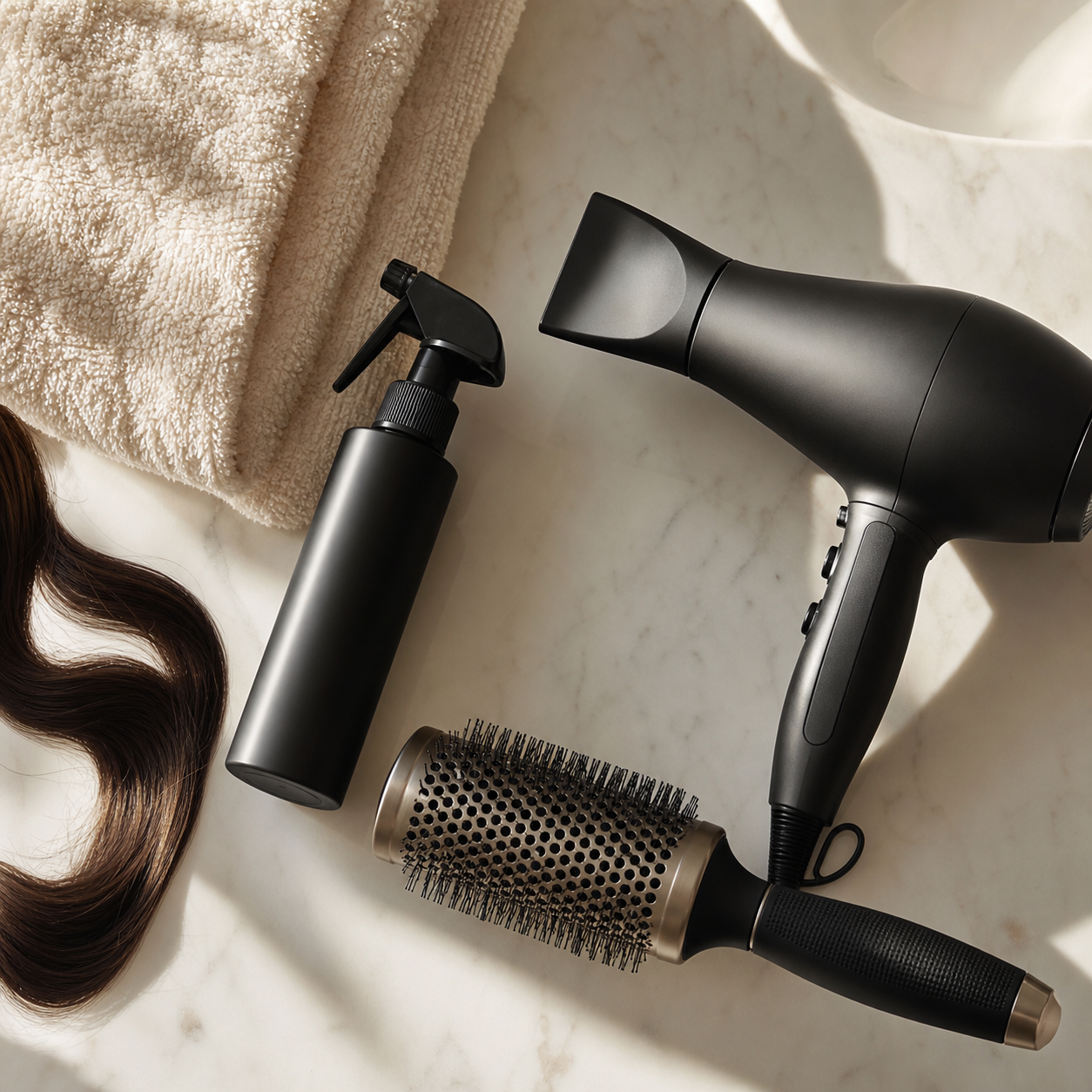
Heat protectants are designed to form a film, improve slip, and reduce some of the stress associated with styling. The exact performance depends on the formula, the amount applied, the tool temperature, and the condition of the hair. A spray cannot compensate for holding a flat iron on one section repeatedly at maximum heat.
Start with the lowest temperature that produces the result you need. Work on appropriately dry hair for the tool, keep sections manageable, and maintain steady movement. Product and technique belong in the same sentence.
Coverage matters more than perfume
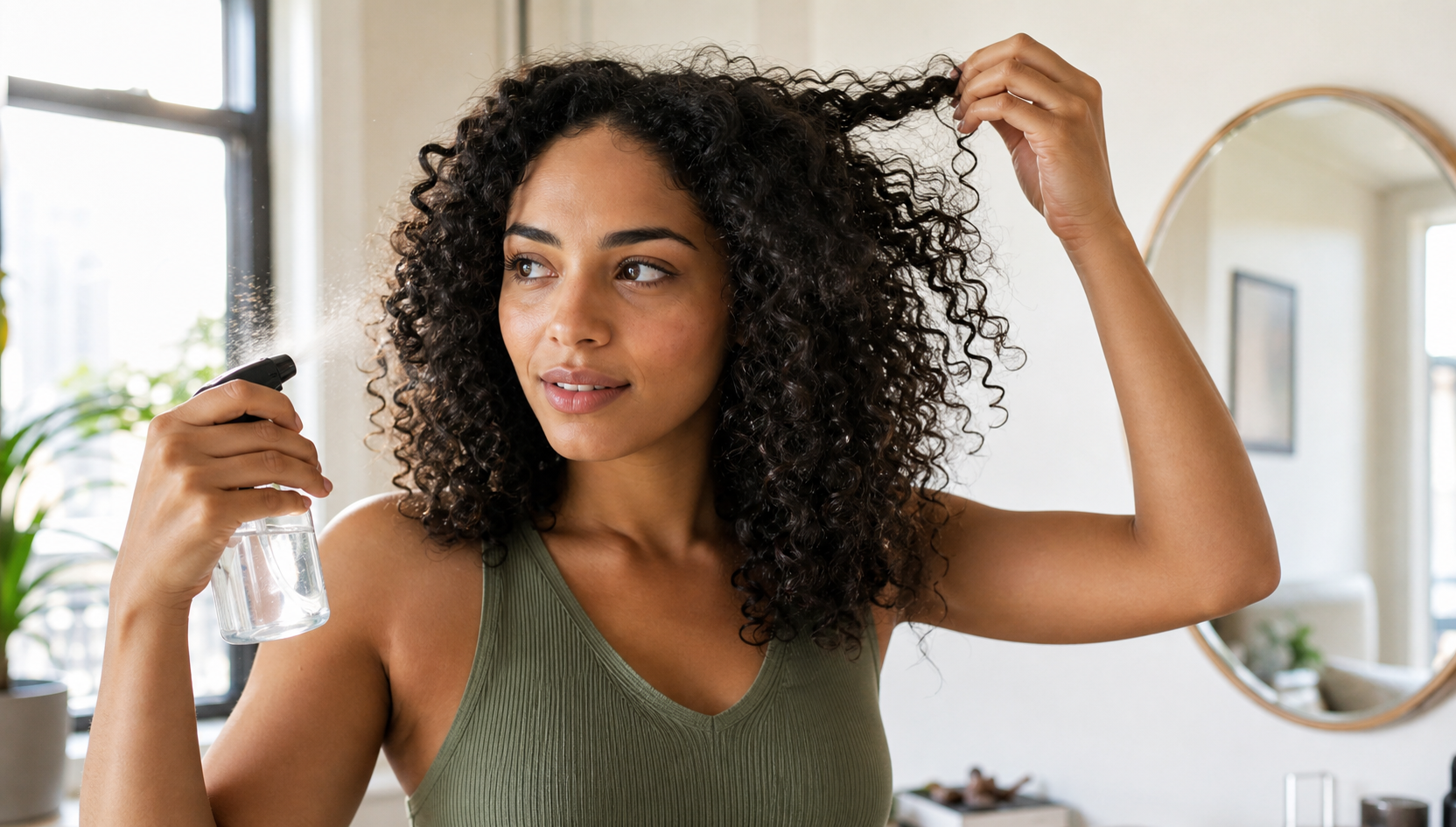
A fine mist is easy on fine hair but can be applied too sparingly. Creams and lotions make coverage visible and may suit thick or dry lengths, though they can overwhelm the roots. Divide the hair and distribute from mid-lengths to ends, then use what remains on the hands for the surface.
Let wet formulas settle before a hot iron touches the hair. Steam and sizzling are not signs of deeper treatment. They are reasons to pause and allow more drying time.
Separate styling claims from repair claims
Some protectants also promise shine, hold, detangling, or bond support. Those benefits can make a product more useful, but they should not blur the basic question: Does it spread evenly and behave well with your tool? A formula that leaves sticky patches can encourage more passes and defeat the purpose.
Existing split ends cannot be permanently fused by a styling spray. Conditioning ingredients may temporarily smooth their appearance, but trimming remains the direct way to remove damaged ends.
A practical purchase
Choose a format you can distribute confidently, confirm that it is intended for your styling method, and test it at a conservative temperature. The product earns its place by helping you use less friction, fewer passes, and a calmer technique.